


Responsible Gambling Guide
This guide is intended for adult readers in Argentina who want to better understand the risks associated with online casinos, sports betting, bonuses and other features offered by gambling platforms.
Responsible gambling is not only about how much money is lost or won. It also involves monitoring the time spent, the emotions that arise during a session and the ability to control access to the platform.
For this reason, the guide divides the subject into four areas:
| Control area | What to monitor |
| Money | Budget, deposits, debts and essential expenses |
| Time | Session length, breaks, sleep and responsibilities |
| Emotions | Anxiety, anger, guilt and the urge to recover losses |
| Access | Limits, breaks, self-exclusion and account protection |
This site is an informational resource. It is not a casino, sportsbook, operator, payment service or the official support service of Altaficha or any other platform.
It does not accept bets, manage accounts, set limits, receive deposits, process withdrawals, credit bonuses or verify documents.
The features mentioned on this page should always be checked against the official terms of the relevant platform.
What Responsible Gambling Means
Responsible gambling means retaining the ability to make decisions before, during and after a session.
The activity should remain within a predefined plan. That plan includes:
- how much money may be used;
- for how long;
- when to stop;
- which promotions will be accepted or declined;
- which control tools will be active;
- which signs would indicate that a break is needed.
Casinos and betting should be understood as paid entertainment that carries a risk of loss.
They are not:
- an investment;
- a stable source of income;
- a solution to debt;
- a way to cover expenses;
- an alternative to employment;
- a method of recovering lost money.
Control begins before the first deposit.
A person who already knows their budget, time limit and stopping points is more likely to respect those decisions than someone who improvises while gambling.
Gambling Is Not a Way to Make Money
The outcomes of slots, roulette, blackjack, baccarat, crash games, live casino games and sports betting depend on probabilities, odds, rules and random factors.
The possibility of winning on one occasion does not remove the possibility of losing on the next.
Nor does it mean there is a reliable way to repeat the same result.
| Common belief | What to remember |
| “After several losses, a win has to come now” | Previous results do not guarantee the next one |
| “If I increase the stake, I will recover faster” | The potential loss also increases |
| “The bonus reduces the risk” | It may include wagering requirements and restrictions |
| “A good run proves I am in control” | A win does not remove future risk |
| “I can use it as extra income” | Gambling does not provide stability |
The activity may include prizes, but losses are also a normal part of how it works.
Strategies promising “guaranteed profit” should not be pursued because no method can eliminate uncertainty.
Why Chasing Losses Is Dangerous
Chasing losses occurs when a person keeps gambling with an urgent intention to recover money already lost.
It may begin in a way that seems minor:
A person exceeds the planned amount, feels the situation can still be reversed and makes another deposit. They then increase the stake, activate another bonus or extend the session beyond the planned time.
The problem is not only the initial loss. Risk increases when decisions stop following a plan and begin to depend on emotional pressure.
Common signs include:
- doubling stakes;
- making an unplanned deposit;
- using a promotion to continue;
- staying logged in for longer;
- believing that stopping means “losing for good”;
- trying to recover everything in a single bet.
When this urgency appears, the safer decision is not to bet more. It is to end the session.
Logging out, moving the payment method out of reach and waiting for the tension to ease can prevent a larger loss.
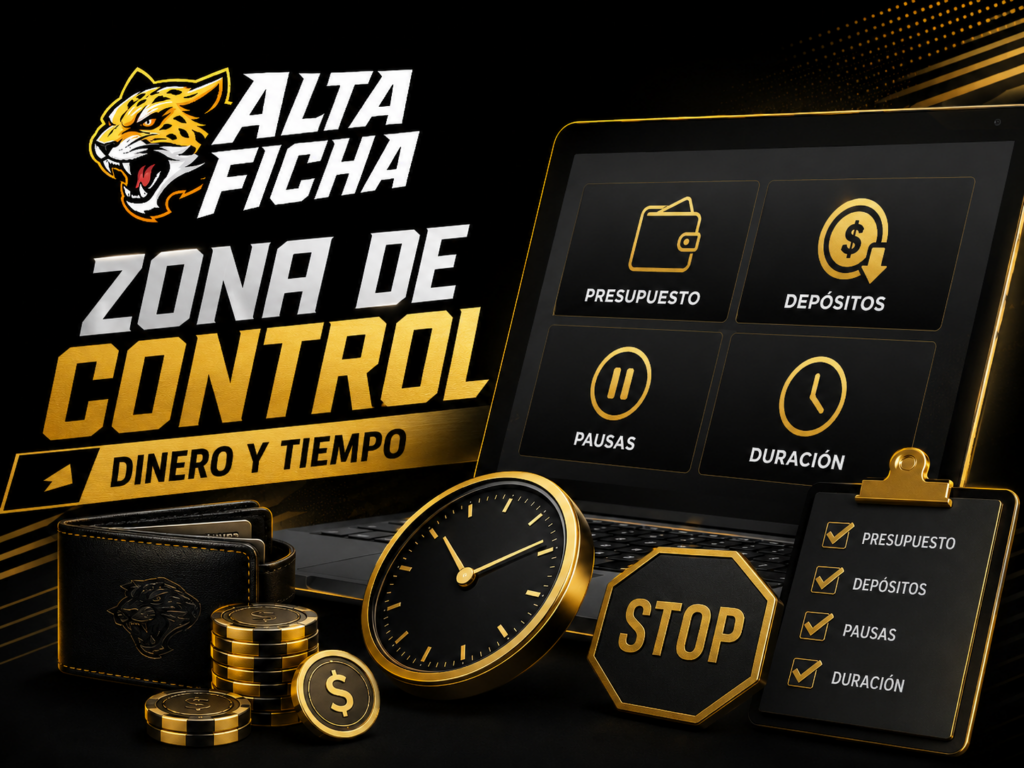
Control Area 1: Money
Set a Budget Before Gambling
The budget should be decided before opening a platform.
It should not be calculated after a loss or adjusted while the session is continuing.
Only funds that are not intended for essential needs should be used.
In Argentina, this means that money reserved for rent, building fees, utilities, SUBE transport, prepaid healthcare, medication, credit card payments, school expenses, Monotributo tax, other taxes or work tools is not part of a recreational budget.
A simple question may help:
If I lose this entire amount, will I have to delay a payment, borrow money or reduce an important expense?
If the answer is yes, that money should not be used for gambling.
A budget can be set for:
- one session;
- one day;
- one week;
- one month.
There is no single correct amount for everyone. What matters is that it is fixed, understandable and compatible with real obligations.
Money That Should Never Be Used
Money intended for the following should not be used:
- Rent, housing or building fees.
- Food.
- Electricity, water, gas, internet or telephone bills.
- Credit cards, loans and debts.
- Medication, appointments or treatment.
- Transport.
- Education.
- Taxes and Monotributo payments.
- Family expenses.
- Work tools or supplies.
- Emergency savings.
The following are also warning signs:
- borrowing money to bet;
- using credit to continue;
- selling possessions;
- using someone else’s funds;
- delaying bills;
- hiding financial transactions.
When gambling begins to affect essential expenses, it is no longer within the boundaries of entertainment.
Stop When You Reach the Limit
A limit stops working if it is changed every time a loss occurs.
It is therefore useful to decide in advance what situation will mark the end of the session.
| Stopping point | What it indicates |
| Budget exhausted | No further deposit should be made |
| Time limit reached | The session should end |
| Irritation | Decision-making may become impulsive |
| Tiredness | Attention decreases |
| Urge to recover losses | Emotional pressure is developing |
| Higher stakes | The original plan has already changed |
| New unplanned deposit | Control of the budget has been lost |
The phrase “just a little more” often appears precisely when the limit should take effect.
Stopping does not mean missing an opportunity. It means respecting a decision made in a calmer state.
Control Area 2: Time
Control Time, Not Only Money
A person may respect their budget and still spend too much time online.
Long sessions can affect:
- concentration;
- sleep;
- work;
- studies;
- relationships;
- family responsibilities;
- rest;
- the ability to make decisions.
When attention decreases, it becomes easier to ignore limits or place bets that were not planned.
Before starting, it may be useful to define:
- Start time.
- End time.
- Maximum duration.
- Breaks.
- An activity to do after the session.
An external alarm can also be used so that the decision does not depend only on the perception of time.
Warning Signs Related to Gambling Time
Behaviours that deserve attention include:
- gambling for longer than planned;
- sleeping less in order to continue;
- checking bets during the night;
- gambling during working hours;
- interrupting studies;
- cancelling commitments;
- returning immediately after a loss;
- checking the balance or bets constantly;
- hiding how long the person was logged in.
One isolated situation does not always indicate a problem.
However, when the pattern repeats, it is sensible to take a break and review whether gambling is displacing other areas of life.
Control Area 3: Emotions
Recognise Emotional Warning Signs
Gambling can change the way a person makes decisions.
After a loss, the following may appear:
- anxiety;
- anger;
- guilt;
- shame;
- irritation;
- sudden mood changes;
- repetitive thoughts about betting;
- a sense of urgency;
- the belief that one win will solve everything.
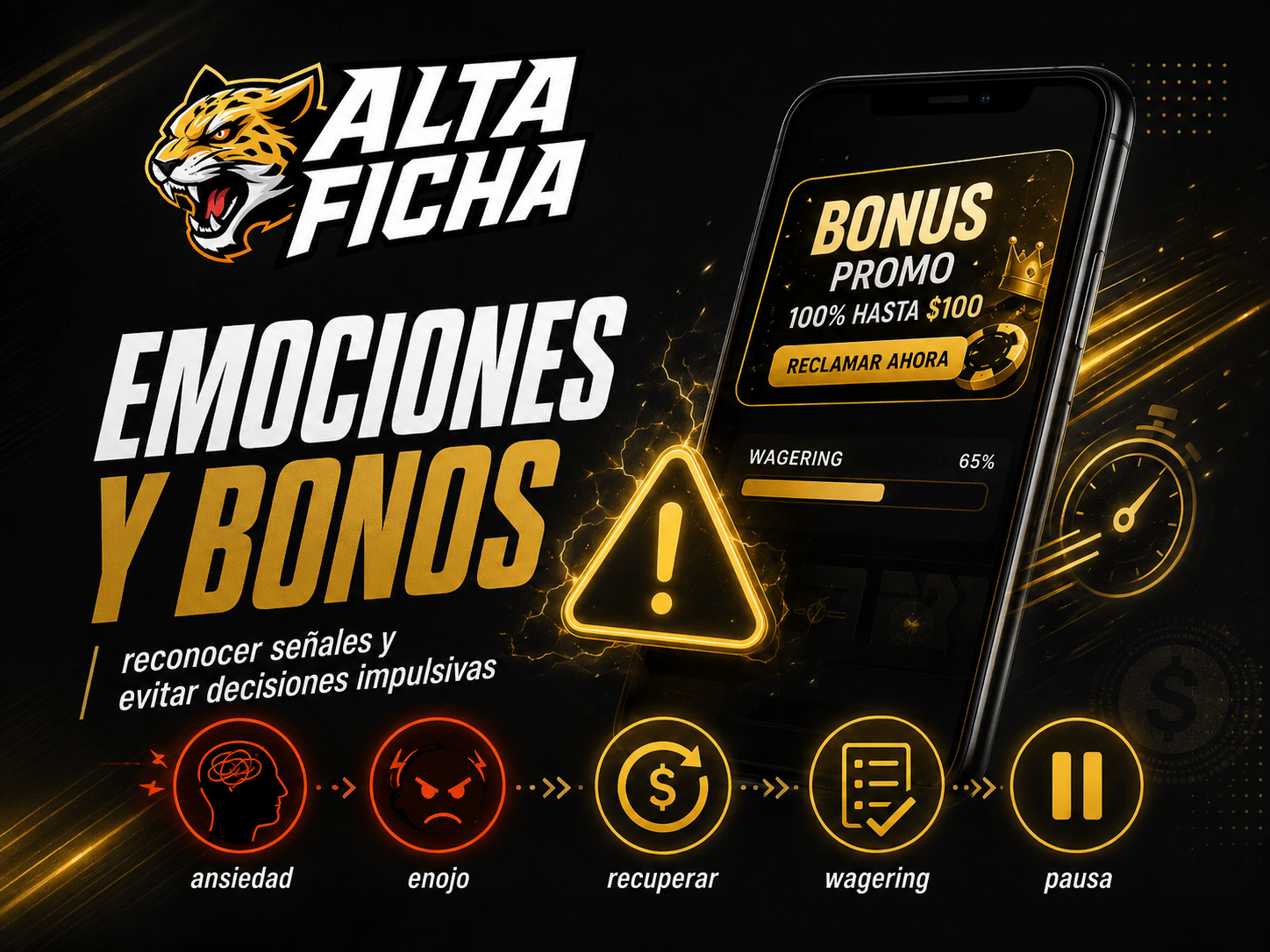
Risk increases when gambling is used to escape from:
- stress;
- loneliness;
- boredom;
- sadness;
- family problems;
- financial pressure.
Gambling may provide a temporary distraction, but it does not remove the cause of distress.
When the main aim is no longer entertainment but avoiding an uncomfortable emotion, it is sensible to end the session.
Combined Financial and Emotional Warning Signs
Some situations show that money and emotions have become connected in a dangerous way:
| Behaviour | Risk |
| Depositing after an argument | Using gambling to regulate emotions |
| Increasing stakes out of anger | Making impulsive decisions |
| Hiding transactions | Loss of transparency |
| Constantly thinking about recovering losses | Chasing losses |
| Using credit | Increasing financial harm |
| Feeling guilty and returning to gamble | Repeating the same cycle |
When several of these signs appear together, it is advisable to stop and seek support.
Understand Bonuses Before Using Them
Bonuses are not money without conditions.
Platforms may display:
- a welcome bonus;
- free spins;
- reload bonuses;
- cashback;
- rebates;
- promo codes;
- VIP benefits.
Each offer may include rules that affect how the balance is used and when funds can be withdrawn.
Before accepting a promotion, it is useful to review:
| Condition | What it means |
| Wagering requirement | How much must be wagered before the rules are fulfilled |
| Validity period | When the promotion expires |
| Minimum deposit | How much must be deposited |
| Maximum stake | The amount that must not be exceeded |
| Eligible games | Which categories contribute towards the requirement |
| Excluded games | Which products do not participate |
| Maximum withdrawal | A possible limit on promotional funds |
| Verification | Checks that may apply |
Altaficha Example
The official Altaficha website displays sections for Promotions, welcome bonuses, the VIP Club, reloads and rebates.
An external review updated in June 2026 describes a welcome package of up to 325% and 450 free spins, distributed across four deposits, with a stated wagering requirement of 35x.
The important responsible gambling issue is not only the percentage.
A package divided across four deposits can create the feeling that further deposits should be made to avoid “losing” the remaining stages.
That perception may encourage spending more than planned.
Before using an offer of this kind, it is useful to ask:
- Had I already planned to make this deposit?
- Does the promotion change my budget?
- Am I depositing only to complete another stage?
- Do I understand the wagering requirement?
- Do I know when it expires?
- Do I know the limits?
- Could I decline the bonus without feeling that I am losing money?
Declining a promotion does not create a loss.
Bonus Pressure and Impulsive Deposits
Countdown timers, large percentages, urgent messages and limited offers can create pressure.
A promotion should not be the reason for using money that was not included in the budget.
A more cautious response may be to:
- close the message;
- read the terms;
- review the budget;
- wait before deciding;
- decline the offer if it changes the plan.
Control Area 4: Access
Use the Platform’s Control Tools
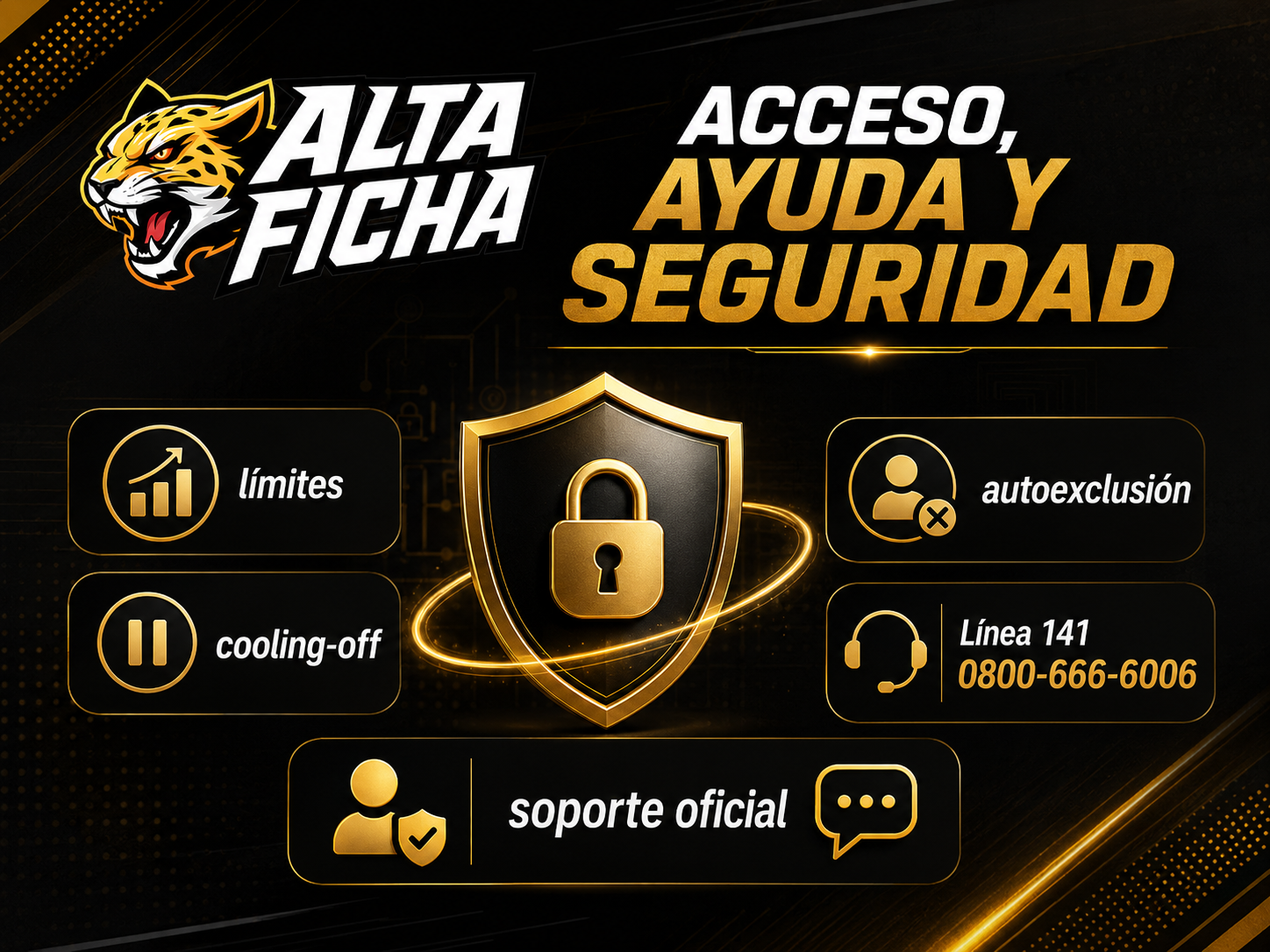
Many platforms offer tools designed to limit deposits, losses, stakes or time.
Names and availability may vary.
| Tool | Typical function |
| Deposit limit | Restricts how much can be deposited |
| Loss limit | Limits losses during a period |
| Wagering limit | Restricts the total amount wagered |
| Session limit | Limits session duration |
| Session reminder | Shows how much time has passed |
| Cooling-off | Applies a temporary break |
| Time-out | Blocks access for a period |
| Self-exclusion | Restricts access for a longer period |
| Promo opt-out | Disables promotions |
These options are commonly found under Responsible Gaming, Account Settings, account limits or support pages.
An informational website cannot activate or remove these measures.
Limits and Temporary Breaks
Limits work best when they are set before a difficult situation occurs.
A cooling-off period may help when:
- several deposits have been made;
- the session has become emotional;
- the urge to recover losses has appeared;
- gambling has become more frequent;
- it is difficult to follow the planned schedule.
There is no need to wait for a large loss.
A break can be preventive.
Self-Exclusion
Self-exclusion is a stronger tool.
It may restrict access for a defined period or, depending on the rules, indefinitely.
It may be considered when gambling affects:
- money;
- sleep;
- work;
- studies;
- relationships;
- the ability to stop.
The conditions depend on each platform and jurisdiction.
This site cannot request, change or cancel self-exclusion. The relevant official channel must be used for this purpose.
Take Breaks Before Losing Control
A break may be useful before a crisis develops.
There is no need to wait for a significant loss.
It is sensible to stop when gambling starts to feel automatic, urgent or difficult to interrupt.
A practical break may include:
- Logging out of the account.
- Closing the app.
- Putting the phone out of reach.
- Removing saved cards.
- Disabling promotional messages.
- Doing another activity.
- Speaking to someone you trust.
- Reviewing the decision later.
The ability to stop is part of maintaining control.
Simple Questions Before Continuing
Before placing another bet or making another deposit, it is useful to ask:
- Why do I want to continue?
- Have I already exceeded my budget?
- Am I trying to recover losses?
- Do I feel tired or irritated?
- Am I using money intended for something else?
- Have I been gambling for longer than planned?
- Am I hiding this activity?
- Would I make the same decision if I were calmer?
If several answers cause concern, it is better not to continue.
Keep Gambling Away from Minors
Betting is intended only for adults who meet the applicable age requirements.
The following should not be shared with minors:
- accounts;
- passwords;
- cards;
- documents;
- codes;
- devices with an active session.
On shared devices, it may be useful to:
- Log out.
- Avoid saving passwords.
- Remove payment methods.
- Create separate profiles.
- Enable parental controls.
- Block gambling websites.
The exact age rules should be checked in the official terms of each platform.
Protect Personal and Payment Information
Responsible gambling also includes digital security.
The following should never be sent to third parties:
- passwords;
- confirmation codes;
- full card numbers;
- security codes;
- documents;
- bank details;
- wallet keys;
- account access details.
Issues related to KYC, deposits, withdrawals or account blocks should be handled only through the platform’s official channels.
This informational site does not request this information.
A person who promises to speed up a withdrawal or recover funds in exchange for private information should not be given access to the account.
When to Seek Help
There is no need to wait for an extreme situation.
It is advisable to seek support if gambling causes:
- debt;
- conflict;
- anxiety;
- secrecy;
- sleep loss;
- work problems;
- withdrawal from studies;
- difficulty stopping;
- a constant urge to recover losses;
- the use of money needed for essential expenses.
Support may include:
- Speaking to someone you trust.
- Activating limits.
- Requesting a break.
- Using self-exclusion.
- Blocking payment methods.
- Consulting a professional.
- Contacting specialised services.
In Argentina, SEDRONAR’s Line 141 provides free, anonymous guidance 24 hours a day throughout the country.
In the City of Buenos Aires, Saber Jugar offers the free helpline 0800-666-6006 from Monday to Friday, 9:00 to 17:00.
| Resource | Coverage | Support |
| Line 141 | Nationwide | Free and anonymous guidance |
| Saber Jugar | City of Buenos Aires | Guidance on gambling-related harm |
| Provincial authority | Depending on the jurisdiction | Local information and measures |
| Mental health professional | Subject to availability | Assessment and support |
| Emergency services | Depending on location | Immediate risk |
When Gambling Feels Urgent
When the urge to gamble feels urgent or uncontrollable, it is not advisable to activate another bonus or make another deposit.
At that moment, it may help to:
- log out of the account;
- move payment methods out of reach;
- close the app;
- call someone you trust;
- activate a break;
- seek guidance.
If there is a risk of self-harm or harm to another person, the local emergency services should be contacted immediately or the person should go to the nearest healthcare centre.
Final Reminder
A responsible session is not measured by the final result but by the ability to respect decisions made before it began.
Gambling should remain within clear limits for money, time and access.
If it begins to affect rent, building fees, sleep, mood, relationships, work or the ability to make calm decisions, it is time to stop.
The safest decision is not always to continue until a different result appears.
Sometimes control simply means logging out and not making another deposit.